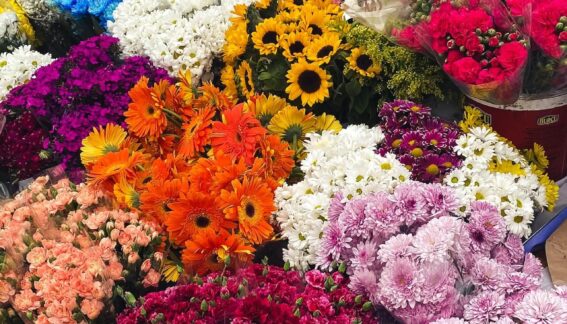
Seasonal Flowers
How Sustainable is the flower industry
Introduction
Explanation of the Flower Industry and its Significance
The flower industry is a vital part of the global economy, with flowers being one of the most popular gifts and decorative items in the world.
From large-scale commercial flower farms to small-scale urban gardens, the flower industry encompasses a wide range of production methods and practices. The industry is also a significant source of employment, with millions of people worldwide relying on the flower industry for their livelihoods.
Overview of the Topic: Sustainability and Eco-Friendliness in the Flower Industry
Sustainability and eco-friendliness are increasingly important topics in all industries, including the flower industry. With the growing awareness of the impact of human activities on the environment, consumers and industry stakeholders are becoming more conscious of the need to promote sustainable practices in the production and use of flowers. This blog post will explore the current state of sustainability in the flower industry and the steps that can be taken to make flowers more environmentally friendly.

Is the Flower Industry Sustainable?
Definition of Sustainability in the Flower Industry
Sustainability in the flower industry refers to the ability of the industry to meet the needs of the present generation without compromising the ability of future generations to meet their own needs.
In the context of the flower industry, sustainability encompasses environmental, social, and economic considerations, including the responsible use of natural resources, fair treatment of workers, and economic viability.
Explanation of the Current State of Sustainability in the Flower Industry
The flower industry is still in the process of adopting sustainable practices, and there is significant variation in the level of sustainability across different parts of the industry. Some flower producers have implemented sustainable practices, such as using environmentally friendly methods of pest control and water conservation, while others continue to use harmful chemicals and wasteful practices.
Discussion of the Challenges Faced by the Flower Industry in Achieving Sustainability
There are several challenges faced by the flower industry in achieving sustainability, including:
- Lack of regulations: There are currently few regulations in place that promote sustainable practices in the flower industry, which makes it difficult for the industry to adopt sustainable practices on a large scale.
- High costs of sustainable production: Implementing sustainable practices can be costly for flower producers, and many small-scale producers may not have the resources to invest in sustainable methods.
- Limited consumer demand: Many consumers may not be aware of the environmental impact of the flower industry and may not prioritize sustainability when choosing flowers.
- Globalized supply chains: The flower industry is global, with flowers being grown in one country and sold in another. This makes it difficult to track and monitor the environmental impact of the industry and to promote sustainable practices across the supply chain.
These challenges highlight the need for greater efforts to promote sustainability in the flower industry and to engage consumers, producers, and industry stakeholders in the process.

How to Make Flowers Sustainable?
Overview of Sustainable Practices in the Flower Industry
There are several practices that can be implemented in the flower industry to promote sustainability, including:
- Use of environmentally friendly methods of pest control and water conservation
- Reduction of food waste by using surplus flowers for products such as essential oils and flower food
- Implementation of fair labor practices, including fair wages and safe working conditions for flower workers
- Promotion of flower diversity to reduce the impact of disease and pests on specific flower species
- Use of environmentally friendly packaging materials, such as biodegradable packaging and recycled materials.
Explanation of How Flowers Can Be Grown and Processed in a Sustainable Manner
Flowers can be grown and processed in a sustainable manner by implementing the following practices:
- Use of sustainable growing methods, such as hydroponic and aeroponic systems, which use less water and fertilizer compared to traditional growing methods
- Use of organic fertilizers and pest control methods to reduce the use of harmful chemicals
- Implementation of energy-efficient lighting and heating systems to reduce energy consumption
- Use of sustainable transportation methods, such as electric vehicles and cargo bikes, to reduce emissions and improve air quality.
Discussion of the Role of Consumers in Promoting Sustainability in the Flower Industry
Consumers play a crucial role in promoting sustainability in the flower industry. By choosing flowers from sustainable producers, consumers can help to drive demand for sustainable practices in the industry. Consumers can also encourage their local florists and grocery stores to stock eco-friendly flowers and to provide information about the sustainable practices of their suppliers.
By making informed choices about the flowers they purchase, consumers can help to promote sustainability in the flower industry and to reduce the environmental impact of the industry.

The Impact of the Flower Industry on the Environment
Discussion of the Environmental Impact of Flower Production
The flower industry can have a significant impact on the environment, due to the following factors:
- Use of large quantities of water for irrigation, which can strain local water resources and lead to water scarcity in some regions
- Use of fertilizers and pesticides, which can contaminate soil and water, harm wildlife, and impact air quality
- Emissions from transportation, energy consumption, and fertilizer production, which contribute to air pollution and climate change
- Deforestation and habitat destruction associated with the expansion of flower production into new areas.
Explanation of the Environmental Footprint of the Flower Industry
The environmental footprint of the flower industry includes the resources used in production, such as water, land, and energy, as well as the waste generated by the industry, such as plastic packaging, fertilizer runoff, and pesticide residue. The environmental footprint of the flower industry is complex, as it encompasses many stages of production, from flower growing and processing to transportation and retail.
Overview of the Environmental Risks Associated with the Flower Industry
The environmental risks associated with the flower industry include:
- Soil and water pollution from fertilizers and pesticides
- Climate change and air pollution from energy consumption and transportation emissions
- Loss of biodiversity and habitat destruction from flower production
- Negative impacts on local communities, such as reduced access to water and increased exposure to harmful chemicals.
- By reducing the environmental footprint of the flower industry, it is possible to reduce these risks and to promote a more sustainable and eco-friendly industry.

Are Flowers Environmentally Friendly?
Overview of the Environmental Benefits of Flowers
Despite the environmental risks associated with flower production, flowers can also have several environmental benefits, including:
- Providing habitat for pollinators and other wildlife
- Absorbing carbon dioxide and other pollutants from the air through photosynthesis
- Improving soil health through the addition of organic matter and the breakdown of plant material
- Providing aesthetic and emotional benefits that can improve mental health and well-being.
Explanation of How Flowers Can Be Environmentally Friendly
Flowers can be made more environmentally friendly through the following practices:
- Using sustainable production methods, such as reducing water usage, limiting the use of fertilizers and pesticides, and reducing emissions from transportation and energy consumption
- Supporting local flower production to reduce the distance that flowers must be transported, thus reducing emissions from transportation
- Choosing organic or locally grown flowers to reduce the use of chemicals and support sustainable agriculture practices
- Purchasing flowers in reusable or biodegradable packaging to reduce waste.
Discussion of the Factors that Contribute to the Environmental Friendliness of Flowers
The environmental friendliness of flowers is influenced by a variety of factors, including:
- The methods used in production, such as water usage, fertilizer and pesticide use, and energy consumption
- The distance that flowers must be transported, and the associated emissions from transportation
- The type of packaging used, with reusable or biodegradable options being more environmentally friendly than single-use plastic packaging
- The use of organic or locally grown flowers, which can reduce the use of chemicals and support sustainable agriculture practices.
- By considering these factors, consumers can make informed choices about the environmental impact of the flowers they purchase and support an eco-friendly flower industry.

Eco-Friendly Flower Arrangements
Overview of Eco-Friendly Flower Arrangements
Eco-friendly flower arrangements are designed to minimize the environmental impact of flower production and use while still providing the beauty and benefits of flowers.
This is achieved through the use of sustainable materials and practices, such as reusable or biodegradable containers, locally grown flowers, and minimal use of floral foam and other synthetic materials.
Explanation of the Materials and Techniques Used in Creating Eco-Friendly Flower Arrangements
Eco-friendly flower arrangements typically utilize the following materials and techniques:
- Reusable or biodegradable containers, such as wicker baskets, glass jars, or paper or cardboard boxes
- Locally grown flowers, to reduce the distance that flowers must be transported and support sustainable agriculture practices
- Minimal use of floral foam, which is a synthetic material that is not biodegradable and can release harmful chemicals into the environment
- Use of natural materials, such as twigs, branches, and leaves, to add structure to the arrangement and reduce the need for synthetic materials.
Discussion of the Benefits of Eco-Friendly Flower Arrangements
There are several benefits to creating and using eco-friendly flower arrangements, including:
- Reducing the environmental impact of flower production and use
- Supporting sustainable agriculture practices and reducing the use of harmful chemicals in flower production
- Providing an aesthetically pleasing and emotionally satisfying alternative to traditional flower arrangements
- Encouraging consumers to make environmentally responsible choices about the flowers they purchase and use.
- By choosing eco-friendly flower arrangements, consumers can enjoy the beauty and benefits of flowers while also reducing their environmental impact.

The Benefits of Flowers for the Environment
Overview of the Positive Impact of Flowers on the Environment
Flowers can have a positive impact on the environment in several ways, including improving air and soil quality, providing habitats for wildlife, and supporting biodiversity.
Flowers also play an important role in many ecosystems, serving as a food source for pollinators such as bees, butterflies, and hummingbirds, and helping to maintain a healthy balance in the natural world.
Explanation of How Flowers Can Benefit the Environment
The following are some of the ways that flowers can benefit the environment:
- Improving air quality by producing oxygen and removing carbon dioxide and other pollutants from the air
- Improving soil quality by adding nutrients and helping to prevent erosion
- Providing habitats for wildlife, such as birds, butterflies, and other pollinators
- Supporting biodiversity by providing food and habitat for a wide variety of species
- Contributing to the overall health and balance of ecosystems.
Discussion of the Role of Flowers in Promoting Environmental Conservation and Sustainability
By promoting the growth and use of flowers, the flower industry can play an important role in supporting environmental conservation and sustainability. By using sustainable practices and promoting environmentally friendly flower arrangements, the industry can help to reduce its impact on the environment, while also promoting the growth and preservation of important ecosystems and wildlife habitats.
In conclusion, the benefits of flowers for the environment are many and varied, and by promoting and supporting sustainable practices in the flower industry, we can help to ensure a healthy and sustainable future for our planet.

The Benefits of the Flower Industry
Overview of the Economic Importance of the Flower Industry
The flower industry is a significant contributor to the global economy, providing employment and income for millions of people around the world.
The industry includes the production, processing, and distribution of flowers, as well as the creation of flower-based products such as perfumes, cosmetics, and food additives.
Explanation of the Social and Cultural Benefits of the Flower Industry
In addition to its economic importance, the flower industry also provides a range of social and cultural benefits. Flowers play an important role in many religious and cultural celebrations, and can be used to express emotions, communicate messages, and create beautiful and meaningful displays. Flowers also have therapeutic and psychological benefits, and have been used for centuries to promote wellbeing and reduce stress.
Discussion of the Potential for the Flower Industry to Contribute to Sustainable Development
The flower industry has the potential to make a significant contribution to sustainable development, by promoting environmentally friendly practices and supporting sustainable agriculture. By investing in research and development, and by promoting environmentally friendly products and processes, the industry can help to reduce its impact on the environment and support the growth of sustainable communities.
In conclusion, the flower industry provides a range of economic, social, and cultural benefits, and has the potential to play a significant role in promoting sustainable development. By investing in sustainable practices and supporting environmentally friendly products and processes, the industry can help to ensure a healthy and sustainable future for both the industry and the planet.

Why is Flower Diversity Important?
Overview of the Importance of Flower Diversity
Flower diversity refers to the variety of different types of flowers that are grown and used in the flower industry.
This diversity is important for a number of reasons, including preserving genetic resources, promoting sustainability, and supporting the health of the environment.
Explanation of the Role of Flower Diversity in Promoting Sustainability in the Flower Industry
Flower diversity is essential for promoting sustainability in the flower industry. A diverse range of flower species helps to ensure that the industry is resilient and can adapt to changing environmental conditions, such as changes in temperature, rainfall, and disease outbreaks. By promoting flower diversity, the industry can also help to conserve genetic resources, and ensure that the range of flowers that are available for use remains rich and varied.
Discussion of the Benefits of Promoting Flower Diversity
In addition to its role in promoting sustainability, flower diversity also provides a number of other benefits. A diverse range of flowers can be used to create more interesting and creative displays, and can help to support the growth of local ecosystems. Promoting flower diversity can also help to increase the economic value of flowers, as new and unusual varieties can be developed and sold to consumers.
In conclusion, flower diversity is important for promoting sustainability and the health of the environment. By promoting a diverse range of flower species, the flower industry can help to ensure its resilience, conserve genetic resources, and create more interesting and creative displays.

Conclusion
Recap of the Key Points Discussed in the Blog Post
In this blog post, we have explored the topic of sustainability and eco-friendliness in the flower industry.
We discussed the current state of sustainability in the industry, how flowers can be made sustainable, the impact of the flower industry on the environment, and the benefits of flowers for the environment. We also explored eco-friendly flower arrangements, the benefits of the flower industry, why flower diversity is important, and the importance of promoting sustainability in the flower industry.
Final Thoughts on Sustainability and Eco-Friendliness in the Flower Industry
The flower industry has the potential to be a powerful force for promoting sustainability and eco-friendliness.
However, achieving this goal requires a commitment from both the industry and consumers to support sustainable practices and promote eco-friendly solutions. The industry must work to reduce its environmental footprint and promote the growth and use of eco-friendly flowers. Consumers, meanwhile, can support the industry by choosing eco-friendly flower arrangements and promoting sustainable practices in their own lives.
In conclusion, it is important for both consumers and the flower industry to take action to promote sustainability and eco-friendliness. By working together, we can help to create a brighter and more sustainable future for the flower industry, and ensure that flowers continue to play an important role in our lives for generations to come. Let’s work together to make the flower industry more sustainable and eco-friendly, and ensure that its beauty and benefits are available for all to enjoy.